harassment be termination for cause wilful misconduct
Workplace harassment is a serious concern that affects employee well-being, productivity, and organizational culture. A key question many employers and employees face is whether harassment can justify termination for cause wilful misconduct. Harassment, by definition, involves repeated, unwelcome behavior that creates a hostile or intimidating work environment. When an employee engages in such behavior intentionally, it crosses the line from minor misconduct to serious professional wrongdoing, which can warrant the most severe disciplinary actions.
Termination for cause wilful misconduct represents one of the strongest measures an employer can take. It indicates that an employee acted deliberately or recklessly, violating company policies or legal standards. In cases of harassment, the willful nature of the misconduct is often clear. Employers are expected to maintain a safe and respectful workplace, and any deliberate harassment undermines this responsibility. Courts and labor tribunals often look at whether the harassment was intentional and repeated, and whether the employer followed proper procedures before resorting to termination for cause wilful misconduct.
For termination for cause wilful misconduct to be upheld in harassment cases, documentation and investigation are critical. Employers must collect evidence such as complaints, witness statements, and records of prior warnings. This ensures that the termination is based on factual grounds rather than assumptions or personal conflicts. Courts and labor authorities often evaluate whether the employer conducted a thorough investigation and gave the accused employee an opportunity to respond to the allegations. Failure to follow due process can result in a reversal of the termination decision, even when the harassment is evident.
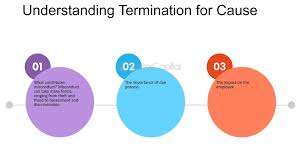
Can harassment be termination for cause wilful misconduct?
Harassment that can lead to termination for cause wilful misconduct is generally severe, repeated, or intentional. Isolated incidents or minor misunderstandings may require counseling, mediation, or other corrective measures rather than outright dismissal. However, when an employee continues to harass colleagues despite warnings, the behavior can be classified as wilful misconduct. Such conduct demonstrates a conscious disregard for workplace rules and the rights of others, justifying the employer’s decision to terminate employment.
Appeal courts and labor tribunals also consider the proportionality of the disciplinary action in harassment cases. Termination for cause wilful misconduct must reflect the gravity of the behavior. In situations where harassment has caused significant emotional or professional harm, courts are likely to uphold the termination. Conversely, if the harassment is minor or unintentional, employers are expected to explore alternative disciplinary measures before resorting to dismissal. This ensures that the punishment aligns with the severity of the misconduct and is legally defensible.
Additionally, workplace policies play a crucial role in determining whether harassment can justify termination for cause wilful misconduct. Clear anti-harassment policies, communicated to all employees, set expectations and define consequences for violations. When employees are aware of these policies and still engage in harassment, employers have stronger grounds to classify the conduct as wilful misconduct. Proper training and consistent enforcement of these policies also protect organizations from legal challenges while fostering a safe work environment.
In conclusion, harassment can indeed justify termination for cause wilful misconduct when the behavior is deliberate, repeated, and harmful. Employers must ensure they follow proper investigative procedures, maintain thorough documentation, and adhere to workplace policies to strengthen the legality of their actions. Courts and labor authorities evaluate both the intent and severity of the misconduct, as well as the employer’s adherence to due process. By addressing harassment decisively and fairly, organizations can protect employees, maintain workplace integrity, and uphold the principle that termination for cause wilful misconduct is reserved for serious, intentional violations.